


The One Smart Home Upgrade You'll Actually Use Every Day
Automated shades are the most used feature in every smart home we build. Here's why we specify GE Proseo Inception and Clara shades, and why retrofitting your existing home is easier than you think.
When people think about smart home technology, they usually picture voice assistants, smart thermostats, or security cameras. Automated shades rarely top the list, but they should. After installing hundreds of motorized shade systems across Fairfield and New Haven Counties, we can say with confidence: this is the upgrade that clients use every single day and wonder how they lived without.
It's Not About Laziness. It's About Living Better.
Let's get this out of the way: automated shades aren't about being too lazy to walk to a window. They're about your home responding intelligently to the world around it.
Imagine waking up to shades that gradually open with the sunrise, letting natural light ease you into the day instead of an alarm. Picture your south facing windows automatically closing during peak afternoon sun, keeping your home comfortable without blasting the AC. Think about your shades lowering at sunset for privacy, without you lifting a finger.
That's not convenience for convenience's sake. That's your home actually working for you.
The Benefits Nobody Talks About
Energy savings are real. Automated shades programmed to close during peak sunlight hours can meaningfully reduce cooling costs. In summer, they block solar heat gain before it becomes your air conditioner's problem. In winter, they can open to capture warmth during the day and close at night to retain it. Your HVAC system works less, and you notice it on your utility bills.
UV protection saves your stuff. Sunlight fades hardwood floors, damages furniture, and destroys artwork over time. Automated shades that close during intense sun exposure protect your investment in your home's interior. That leather couch, the custom drapes, the art you actually care about: they all last longer when they're not being slowly bleached by UV exposure.
Sleep quality improves. Blackout shades that close on schedule create the darkness your body needs for quality sleep. No more streetlights creeping in, no more early summer sunrises waking you at 5 AM. Program them to your schedule, and your bedroom becomes a proper sleep environment automatically.
Hard to reach windows become easy. That beautiful two story window in your living room? The skylights? The windows behind the tub? Motorized shades make every window in your home accessible. No step stools, no awkward reaching, no windows that just never get adjusted because it's too much hassle.
The Integration Advantage
Standalone motorized shades are fine. Integrated motorized shades are transformative.
When your shades connect to a proper home automation system like Savant, they become part of scenes that make daily life seamless. A "Good Morning" scene can open your shades gradually while your lights come up and your coffee maker starts. A "Movie Time" scene closes the shades, dims the lights, and powers on the TV. An "Away" scene moves shades throughout the day to simulate occupancy while you're traveling. A "Goodnight" scene closes everything, engages the locks, and adjusts the thermostat.
Voice control through Siri, Alexa, or Google means you're never fumbling for a remote. Scheduling means your home responds to time of day without any input at all. And with Savant's intelligence, scenes can adapt based on actual conditions, not just the clock.
What We Specify and Why
We are authorized dealers and integrators for three shade platforms, and we match the right one to each project based on the architecture, the automation goals, and the practical realities of the space.
For new construction and major renovations, GE Proseo Inception shades are our standard specification. These are purpose built for integration with Savant, delivering whisper quiet operation, precise positioning, and native communication with the Savant host. When we're designing a shade schedule for a project, Inception is typically our starting point because the performance and reliability are outstanding.
For projects where aesthetic range and fabric selection are the priority, Clara shades offer a beautiful product line with strong integration capabilities. Clara gives us options when the design team needs something specific in terms of material, texture, or color that goes beyond what other platforms offer.
Savant's own shade line rounds out our toolkit, providing a fully native option for homes already running a Savant system. When every component speaks the same language natively, programming is cleaner, response times are faster, and long term support is simpler.
In every case, the key is professional measurement, specification, and programming. We build a detailed shade schedule for each project, specifying the motor, fabric, control method, and mounting for every single window. That level of planning is what separates a system that works flawlessly from one that frustrates you every day.
Retrofitting Is Easier Than You Think
Here's where people get stuck. They love the idea of automated shades, but they assume it means tearing open walls to run wire to every window. For new construction, hardwired power is ideal and we always recommend it when the walls are open. But for existing homes? Battery powered motors have come a very long way, and this is a conversation worth having.
Modern rechargeable shade motors last anywhere from six months to over a year on a single charge, depending on how often the shades move and the size of the window. That might sound like a hassle, but think about it this way: you charge your phone every day. You charge your headphones every week. Plugging in a shade motor once or twice a year is not a maintenance burden. It takes about two minutes.
The latest generation of motors use USB C charging, so there's no proprietary charger to lose. Some systems offer solar charging panels that mount discreetly on the window frame, virtually eliminating the need to ever think about the battery at all. For south and west facing windows that get regular sunlight, solar panels can keep the motor topped off indefinitely.
And here's the thing people don't realize: battery powered shades perform identically to hardwired ones. The motor speed, the quiet operation, the positioning accuracy, the integration with Savant scenes and schedules, it's all the same. The battery is just the power source. It doesn't compromise anything about how the shade actually works.
For a retrofit project, battery powered shades mean we can automate your entire home in a matter of days rather than weeks, with zero drywall work, zero paint touch ups, and zero disruption to your daily life. We install the brackets, mount the shades, program the system, and you're done.
If you've been putting off motorized shades because you thought it would require a renovation, it doesn't. The technology has caught up, and the result is just as polished.
The Bottom Line
Automated shades deliver daily quality of life improvement, real energy savings, protection for your home's interior, and seamless integration with the rest of your smart home. They're not flashy, but they might be the most used feature in your entire system.
Curious what automated shades would look like in your home? We start every project with a window by window consultation to understand your goals, your architecture, and your lifestyle. From there, we build a shade schedule tailored to your space and walk you through every option before anything gets ordered.
Reach out to us to get started.
IKEA's Matter Launch Is Failing. Here's What It Means for Smart Home Buyers.
Affordable smart home tech sounds great until half your devices won't connect.
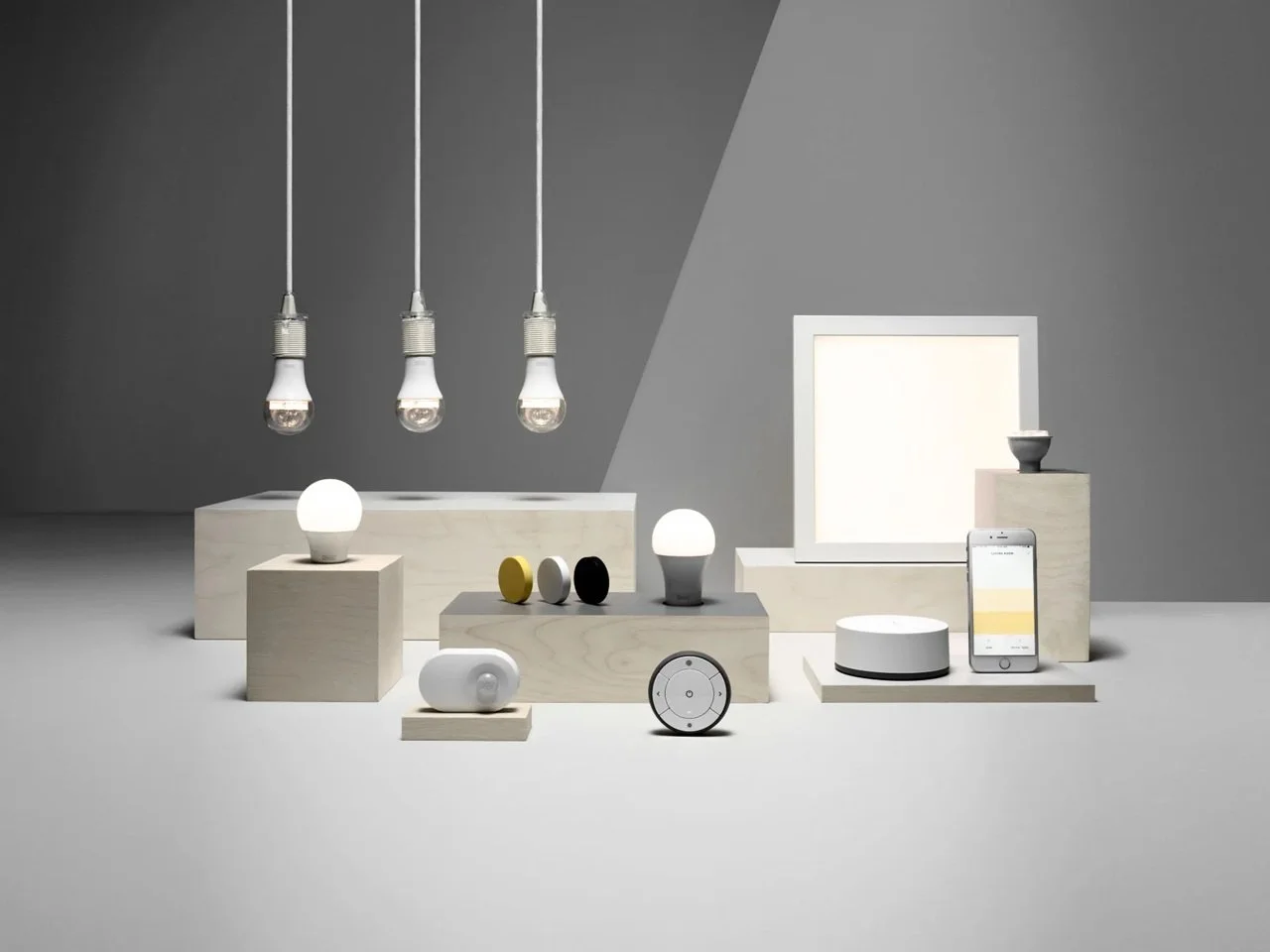
IKEA's new Matter-over-Thread smart home line was supposed to democratize the smart home. Affordable products, open standards, seamless interoperability with devices from any manufacturer. The pitch was compelling: finally, you could build a smart home without being locked into one ecosystem or spending a fortune.
The reality has been different.
Users are reporting widespread connection failures, devices that won't pair, and systems that work intermittently at best. What was supposed to be the easiest entry into smart home technology has become a troubleshooting nightmare for many buyers.
The Problems Are Widespread
In online forums like Reddit's Tradfri community, IKEA smart home users are sharing their experiences in detail. The pattern is consistent: devices that look simple in the box become frustrating projects once you try to set them up.
One user documented that out of 60 Bilresa buttons installed in their home, only 31 could be permanently integrated into their system. That's a success rate barely over 50 percent. Others report devices that pair initially but lose their connection within hours or days, requiring complete removal and re-pairing to function again.
The Bilresa button, one of IKEA's flagship Matter products, has been particularly problematic. Users report that even when paired successfully, commands arrive late or fail to trigger any action. A button that takes three seconds to turn on a light isn't convenient. It's annoying.
Google Home Made Things Worse
IKEA's devices rely on Matter controllers like Google Home, Apple Home, or Amazon Alexa to function. And here's where the ecosystem problem becomes clear: until Google Home version 4.8, released February 2, 2026, Google's platform didn't even recognize Matter switches like the Bilresa button as automation triggers.
Think about that. You could buy an IKEA smart button, pair it with Google Home, and then discover that Google's own software couldn't use it to trigger automations. The core use case for a smart button didn't work.
Even after the update, users report inconsistent behavior. Commands fire late. Automations trigger sometimes but not always. The experience is unpredictable in exactly the way smart home technology shouldn't be.
IKEA's Response Has Been Tepid
When asked about the widespread issues, an IKEA manager told The Verge that the products "work seamlessly for most customers." In the same statement, he acknowledged that "connection issues occur in certain environments."
The company says a dedicated team is working with the Connectivity Standards Alliance (the organization that develops the Matter standard) to investigate the problems. But for customers who already bought the products expecting them to work, "we're investigating" isn't much comfort.
There's no recall. No prominent warnings on product pages. No proactive communication to customers who may be experiencing issues. Just a vague acknowledgment that some people are having problems.
The Real Issue Is Ecosystem Fragmentation
Here's the uncomfortable truth that the Matter marketing glosses over: the technology itself might be sound, but the ecosystem is fragmented in ways that make reliable operation difficult.
Matter is a protocol. It defines how devices communicate. But how well that protocol works depends on the controller you're using (Google Home, Apple Home, Amazon Alexa, Samsung SmartThings), the firmware on your devices, the Thread border routers in your home, and how all these pieces interact with each other.
Different controllers support different Matter features at different times. Google added automation trigger support months after launch. Apple handles certain device types differently than Google. Amazon's implementation has its own quirks. Your experience with the exact same IKEA button can vary dramatically depending on which ecosystem you're using to control it.
Thread, the mesh networking protocol that connects many Matter devices, adds another layer of complexity. Thread requires border routers to connect to your home network. Many devices act as border routers: Apple HomePods, Google Nest speakers, Amazon Echos, and dedicated devices like the IKEA Dirigera hub. Having multiple border routers from different manufacturers can actually cause instability rather than improving coverage.
Most buyers don't know any of this. They see "Works with Matter" on the box and expect it to just work.
Why Professional Integration Still Matters
This is where the value of professional smart home integration becomes clear.
Systems like Control4, Savant, and Crestron don't rely on hoping that IKEA's latest firmware update plays nicely with Google's latest app update. They control the entire technology stack. The hardware, the software, the network configuration, and the integration logic all come from a unified ecosystem designed to work together.
When a client asks why they shouldn't just buy Matter devices and set them up themselves, this is the answer: you're not buying a product, you're buying into an ecosystem. And that ecosystem is currently a patchwork of different companies, different update schedules, different levels of support, and different interpretations of what "Matter compatible" means.
Professional systems cost more upfront. But they work reliably. They get supported for years. When something goes wrong, there's someone to call who can actually fix it.
The Bottom Line for Smart Home Buyers
Matter and Thread represent real progress toward smart home interoperability. The technology is maturing. Eventually, the ecosystem will stabilize and the promise of "buy any device, use it with any controller" will become reality.
But that day isn't today.
If you're building or renovating a home and want smart technology that works reliably from day one, the current state of consumer Matter devices should give you pause. The IKEA products are appealingly priced, but price doesn't matter much when half your buttons don't work.
For homeowners who want the convenience of smart home technology without the frustration of being an unpaid beta tester, professional integration remains the safer choice. You pay for expertise, reliability, and someone who answers when things go wrong.
The DIY smart home is getting better. It's just not there yet.
What Happens When the Wifi Goes Down?
A CrowdStrike Update Crashed 8.5 Million Machines. Was Your House One of Them?
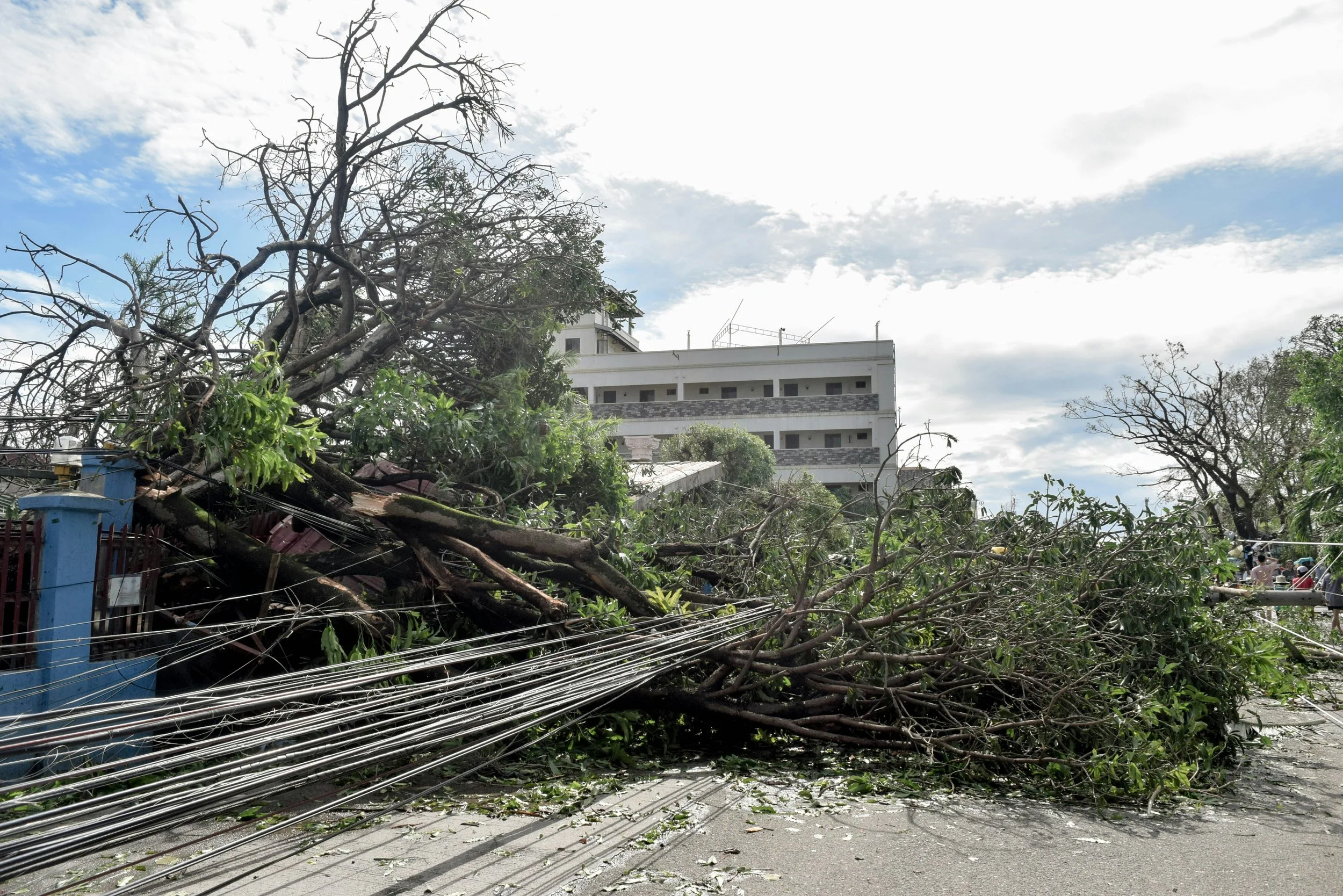
In July 2024, a faulty CrowdStrike update crashed 8.5 million Windows machines worldwide, grounding flights, freezing hospital systems, and taking down Microsoft 365 services for hours. In February 2024, AT&T's network went dark for 12 hours, leaving millions without cellular service. Microsoft Teams and Outlook have had multiple outages in the past year alone.
These aren't hypotheticals. They're Tuesday.
If your smart home is built on the assumption that the internet will always be there, you're one outage away from locked doors, dead thermostats, and security cameras that can't record. The good news: with the right design, most of your home can keep running even when everything else falls apart.
What Actually Breaks
Not all smart home systems fail equally. The damage depends entirely on how your system was designed.
Cloud dependent devices stop working entirely. Many consumer smart home products route everything through remote servers. Your voice command goes to Amazon, gets processed, and sends a command back to your device. No internet? No lights. Some smart locks, thermostats, and cameras become completely unresponsive without a connection.
Remote access disappears. Even if your system works locally, you lose the ability to check cameras, adjust the thermostat, or unlock the door for a guest from your phone when you're away.
Some automations break. Anything that relies on cloud services, weather data, or external triggers stops running. Your sunset lighting scene might not fire if it depends on a cloud calculation of when sunset actually is.
If you work from home, the pain compounds. Your corporate VPN might route through Azure. Your video calls run on Teams. Your files live in OneDrive. When Microsoft goes down, your workday stops even if your home internet is working perfectly. Microsoft 365 has had major outages in January 2025, September 2024, and the CrowdStrike incident in July 2024.
The pattern is clear: centralization creates fragility.
What Should Still Work
A properly designed system maintains core functionality even when disconnected.
Local processing is the key. Systems like Savant process commands locally. Press a button, the light turns on. No cloud round trip required. Your lighting scenes, climate schedules, and basic automations continue running because the brain is in your house, not in a data center in Virginia.
Hardwired systems are more resilient. Devices connected via ethernet or dedicated control wiring don't care about your Wi-Fi status. Wired keypads, wired sensors, and wired connections to your AV equipment keep working regardless.
Local recording keeps your cameras useful. Cameras that record to a local NVR in your home keep capturing footage even without internet. Cloud only cameras like Ring or Nest stop recording entirely during outages. If security footage matters to you, it needs to live on site.
Your Options When Connectivity Fails
The most common scenario is a simple ISP outage. Your provider has a problem, or someone hits a fiber line with a backhoe, or there's a regional issue.
Cellular failover is the simplest fix. A router like a UniFi gateway with LTE or 5G backup automatically switches to cellular when your primary connection drops. Your home stays online at reduced speeds. Hardware runs $200 to $500 plus $20 to $50 a month for a data plan.
Starlink as backup provides true infrastructure independence. This is increasingly viable for homes in Fairfield and New Haven Counties. Starlink's satellite internet provides a completely independent path that doesn't share infrastructure with your cable or fiber provider. If Optimum goes down, Starlink keeps working. If there's a regional fiber cut, Starlink doesn't care. A cell tower outage, a major regional disaster that takes out ground based infrastructure...Starlink routes around it via satellite. The dish runs around $500 plus $120 a month for residential service.
Dual ISP is an option if your area has both cable and fiber from different providers. Run two connections with automatic failover. If Optimum goes down, your Frontier connection takes over.
For clients who absolutely cannot afford downtime, executives working from home, medical professionals on call, anyone running a business from their residence, the belt and suspenders approach is primary fiber with Starlink backup and cellular as a third tier. It sounds like overkill until the first time it saves your workday.
Building Resilience Into Your Home
Choose systems with local processing. Savant and similar professional platforms process commands locally. Many consumer devices don't. Ask the question before you buy.
Put your network equipment on a UPS. A small uninterruptible power supply for your router, switch, and primary access point keeps you online during brief power outages. 30 minutes of battery backup costs under $150 and covers most flickers and short outages.
Add a backup internet path. Whether it's cellular failover, Starlink, or a second ISP, having an independent path to the internet means your primary provider's problems don't become your problems.
Record cameras locally. An NVR with a few terabytes of storage gives you weeks of footage that no outage can touch.
Wire what you can. Wireless is convenient. Wired is reliable. Critical devices like security cameras, access points, and control system processors should be hardwired whenever possible.
Keep manual overrides for critical functions. Smart locks should have a key override. Motorized shades should have manual controls. A smart thermostat should allow local adjustment. If everything depends on working automation, you're vulnerable.
The Bottom Line
The internet will go down. Cellular networks will have outages. Microsoft will have another 365 outage. This isn't pessimism. It's planning.
A well designed smart home acknowledges these realities and builds in resilience. Local processing keeps your home running. Backup connectivity keeps you connected. Proper architecture means an outage is a minor inconvenience, not a crisis.
We think about these scenarios before we install a single device. What works when everything works is easy. We focus on what still works when things go wrong.
Smart Home Market 2026: What It Means for Your Renovation
139 Million Smart Homes and Counting: What It Means for Your Next Renovation
The smart home isn't coming. It's already here. According to the latest research from Berg Insight, nearly 45% of North American households now have some form of smart home technology. That's 139 million homes between North America and Europe, with market revenues hitting $52 billion in 2024 alone.
But here's where it gets interesting for anyone planning a renovation or new build: the landscape of who provides these systems is shifting fast. And if you're investing in a home that's meant to last decades, understanding these shifts matters.
The Two Worlds of Smart Home
Walk into any Best Buy and you'll find shelves stacked with smart plugs, video doorbells, and voice assistants. These point solutions, devices designed to do one thing well, dominate the market by sheer volume. Ring doorbells. Nest thermostats. Sonos speakers. They're accessible, affordable, and genuinely useful.
But there's another world most consumers never see: the whole home integration market. This is where companies like Control4 and Savant operate. Instead of a dozen apps controlling a dozen devices, you get a single, unified system that manages lighting, climate, entertainment, security, and shades, all working together seamlessly.
Think of it this way: point solutions are like buying individual instruments. Whole home integration is hiring an orchestra.
Control4 and Savant: The Leaders in Whole Home Integration
If you're considering a professionally installed smart home system, two names lead the conversation:
Control4 has long been the approachable entry point into serious home automation. Their systems scale beautifully from modest installations to full estates, and their dealer network ensures you'll have local support when you need it. Recent news: Control4's parent company Snap One was acquired by Resideo, and Control4 is set to spin off under ADI Global Distribution in mid 2026. For homeowners, this likely means even more stability and better product availability going forward.
Savant positions itself as the luxury choice, with an Apple like emphasis on design and user experience. Their systems are beautiful, their app is intuitive, and they've been aggressive about integrating with premium audio brands. If aesthetics matter as much as functionality, Savant is worth a serious look.
Both platforms integrate seamlessly with products from Lutron, Sonos, and dozens of other premium manufacturers, giving you flexibility without sacrificing the unified experience.
Why Security Company Bundles Fall Short
You've probably seen the ads. ADT, Vivint, SimpliSafe, and others now offer smart home features bundled with their monitoring services. On the surface, it sounds convenient: one company, one monthly bill, done.
Here's what they don't tell you: these systems are built around security first, with home automation bolted on as an afterthought. And almost universally, they cut corners on the one thing that matters most for a modern smart home: the network.
A true smart home depends on robust, reliable networking. When your lighting, entertainment, climate, and security systems all share bandwidth, the network becomes the foundation everything else sits on. Security company bundles typically install consumer grade routers and hope for the best. The result? Sluggish response times, dropped connections, and devices that randomly go offline.
Professional integrators take a different approach. We design networks specifically for smart home loads, with proper separation between your everyday internet traffic and your automation systems. Enterprise grade wireless access points. Hardwired connections where they matter. The invisible infrastructure that makes everything else work flawlessly.
The Case for Professional Integration
Here's what the DIY and security company approaches can't deliver:
True unification. When you press Goodnight, your lights dim, shades lower, doors lock, thermostat adjusts, and your security system arms, all in one tap. Getting that level of coordination from a patchwork of consumer devices ranges from difficult to impossible.
Reliability. Professional grade systems run on dedicated networks and hardwired connections where it counts. Your lighting shouldn't stutter because someone's streaming 4K video.
Longevity. A well designed Control4 or Savant system will outlast the technology trends. These companies have been around for decades and have clear upgrade paths. That Ring doorbell? It might be obsolete in three years.
Support. When something goes wrong at 9 PM on a Friday, having a relationship with a local integrator who knows your system beats googling error codes.
What This Means for Your Project
If you're planning a renovation or new construction, here's the practical takeaway:
Don't wait until the end. Smart home infrastructure, the wiring, the networking, the pathway planning, needs to happen early in the design process. Retrofitting is always more expensive and often compromises what's possible.
Think about your actual lifestyle. Do you want to tinker with settings and optimize everything yourself? Consumer solutions might be fine. Do you want it to just work beautifully while you focus on living your life? Professional integration pays for itself in sanity.
Choose a platform with staying power. With 139 million smart homes already out there and the market growing nearly 10% annually, this technology isn't going anywhere. Control4 and Savant have deep roots and clear futures. Align yourself with platforms built to last.
Work with an integrator who understands both the technology and the network it runs on. The best smart home isn't the one with the most features. It's the one that disappears into the background and makes your daily life genuinely better.
The smart home market crossing 139 million homes isn't just a statistic. It's confirmation that this technology has moved from novelty to expectation. The question isn't whether your next home will be smart. It's whether it will be thoughtfully smart.
And that's a question worth getting right.